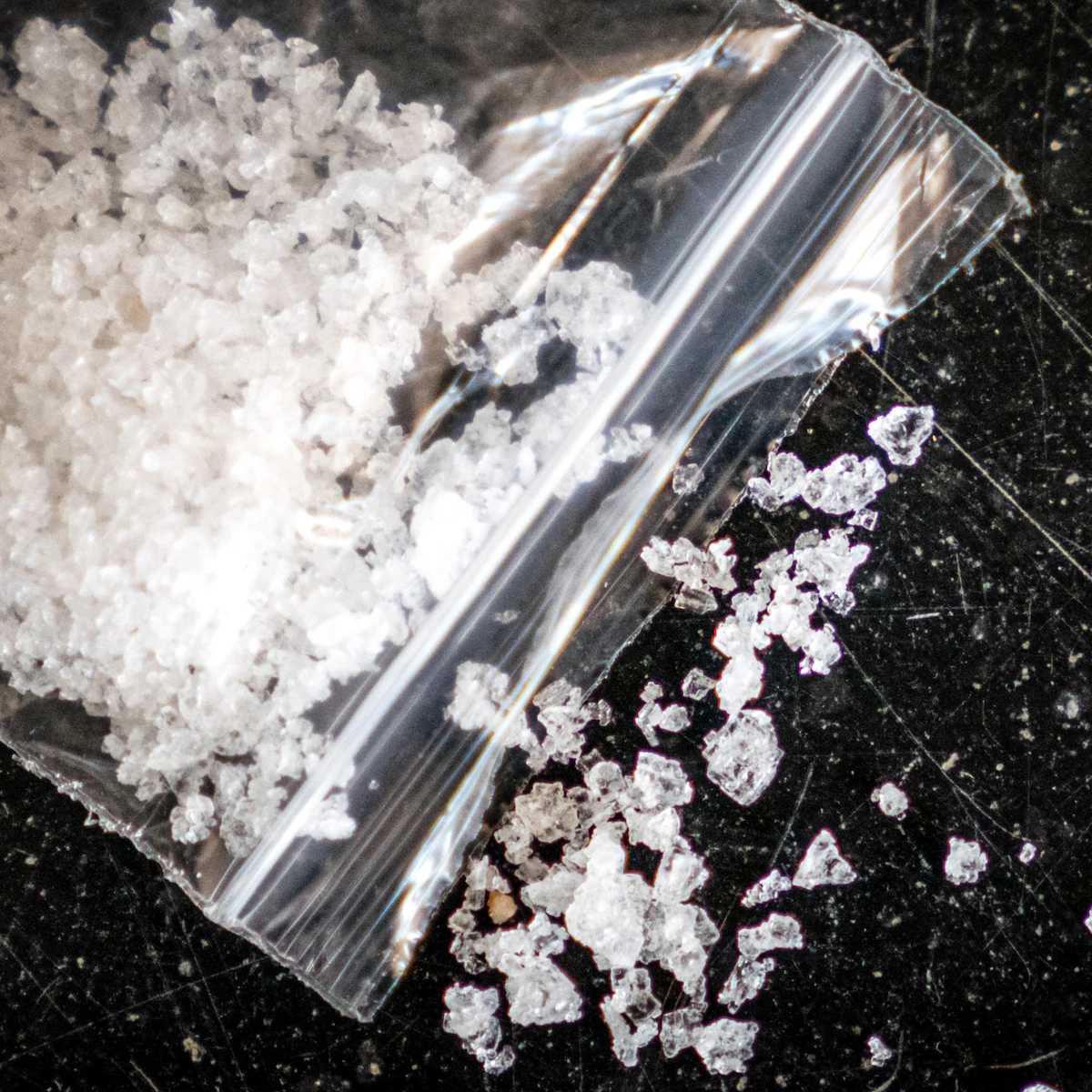
Description
3-MMC Explained: Effects, Euphoria, Energy, Sociability, and Entactogenic Properties
3-MMC (3-Methylmethcathinone) is a synthetic stimulant and entactogen from the substituted cathinone family. Many users describe it as a hybrid between a powerful stimulant like methamphetamine and an empathogenic substance like MDMA. Because of this unique balance, 3-MMC often produces increased energy, intense euphoria, spontaneous bodily sensations, and heightened sociability.
3-MMC, also known as 3-Methylmethcathinone, belongs to the synthetic cathinone class of psychoactive substances. These compounds are chemically related to cathinone, a naturally occurring stimulant found in the khat plant. However, scientists modified the natural cathinone structure to create stronger and more psychoactive stimulant effects.
Unlike purely functional stimulants, 3-MMC combines physical stimulation with emotional enhancement and social euphoria. As a result, many users describe the experience as energetic, emotionally uplifting, and highly social.
What Is 3-Methylmethcathinone?
3-MMC is a substituted cathinone stimulant structurally related to both 4-MMC (Mephedrone) and other synthetic stimulant compounds. The “3” in its name refers to the position of the methyl group attached to the phenyl ring.
Although the structural difference may appear small, the position of the methyl group significantly changes how the compound interacts with neurotransmitters in the brain. Consequently, 3-MMC produces a unique combination of stimulation, euphoria, emotional warmth, and sociability.
Many users describe 3-MMC as sitting somewhere between traditional stimulants and empathogens. Therefore, the experience often feels more emotionally engaging than amphetamines while remaining more energetic and stimulating than classic MDMA.
How 3-Methylmethcathinone Affects the Brain
3-MMC primarily affects dopamine, serotonin, and norepinephrine activity in the brain. These neurotransmitters strongly influence mood, motivation, pleasure, emotional sensitivity, and physical energy.
Dopamine contributes to feelings of excitement, reward, confidence, and intense pleasure. Therefore, increased dopamine activity may explain the strong euphoric effects commonly associated with 3-MMC.
At the same time, serotonin influences empathy, emotional openness, affection, and social bonding. Consequently, many users report increased sociability, emotional warmth, and enhanced communication during the experience.
Additionally, norepinephrine increases alertness, physical stimulation, and wakefulness. As a result, users often feel energized, physically active, and mentally stimulated for extended periods.
The Hybrid Between a Stimulant and an Entactogen
One of the defining characteristics of 3-MMC is its hybrid effect profile. Unlike purely functional stimulants, 3-MMC combines strong physical energy with emotional and social enhancement.
Many users compare the experience to a middle ground between methamphetamine and MDMA. For example, the stimulant side of 3-MMC may create:
- Increased energy
- Enhanced wakefulness
- Physical stimulation
- Motivation and excitement
- Mental alertness
Meanwhile, the entactogenic side may create:
- Intense euphoria
- Emotional openness
- Increased sociability
- Enhanced communication
- Feelings of connection and affection
- Spontaneous bodily sensations
Because of this balance, many users find 3-MMC highly stimulating while also emotionally engaging and socially immersive.
Common Effects of 3-Methylmethcathinone
Desired Effects
- Increased energy and wakefulness
- Intense euphoria and pleasure
- Enhanced sociability and communication
- Heightened confidence
- Spontaneous bodily sensations
- Increased emotional openness
- Enhanced music appreciation
- Greater motivation and excitement
- Physical stimulation and movement
- Elevated mood and positivity
Potential Negative Effects
- Anxiety or panic attacks
- Jaw tension and teeth grinding
- Rapid heart rate
- Insomnia and restlessness
- Overheating and dehydration
- Paranoia or irritability
- Compulsive redosing
- Post-use depression or fatigue
- Elevated blood pressure
- Loss of appetite
Why 3-Methylmethcathinone Feels More Social and Euphoric
Many users report that 3-MMC creates unusually strong social and emotional effects. Unlike purely dopamine-focused stimulants, 3-MMC appears to significantly influence serotonin activity in the brain.
Consequently, users may experience emotional warmth, increased empathy, and stronger feelings of connection during conversations and social interactions. In addition, many people describe enhanced appreciation for music, touch, movement, and sensory experiences.
Because of these properties, 3-MMC often appears in nightlife environments, music festivals, parties, and social gatherings.
Potential Risks and Health Concerns
Although many users seek out 3-Methylmethcathinone for its euphoric and stimulating effects, synthetic cathinones can create serious health risks. Potency may vary significantly between products, and unregulated substances may contain impurities or completely different chemicals.
Furthermore, repeated stimulant use can place extreme stress on the cardiovascular and nervous systems. High doses may increase the risk of overheating, anxiety, panic reactions, psychosis, and dangerous increases in heart rate or blood pressure.
Combining 3-MMC with alcohol or other psychoactive substances may further increase physical and psychological risks. Therefore, understanding the dangers associated with synthetic stimulants remains extremely important.
Signs of Overstimulation or Toxicity
- Extreme agitation or panic
- Chest pain
- Dangerously high body temperature
- Difficulty breathing
- Hallucinations
- Severe confusion
- Paranoia or psychosis
- Loss of consciousness
Anyone experiencing severe symptoms after using stimulant substances should seek emergency medical attention immediately.
Addiction and Dependency Potential
Like many dopamine-enhancing stimulants, 3-Methylmethcathinone may carry a significant risk of psychological dependence. The combination of euphoria, sociability, and stimulation may encourage compulsive redosing behaviors in some users.
Over time, repeated use may create tolerance, meaning users require larger doses to achieve the same effects. Consequently, increasing dosage levels may increase both health risks and dependency potential.
Withdrawal symptoms may include fatigue, irritability, depression, low motivation, sleep disturbances, and difficulty experiencing pleasure naturally.
Legal Status of 3-Methylmethcathinone
Many countries regulate or prohibit 3-MMC because of its psychoactive effects and potential health risks. However, laws vary depending on the region and specific drug legislation.
Additionally, governments frequently update regulations surrounding synthetic cathinones and designer stimulants. Therefore, individuals should always research current local laws and public health guidance.
Psychological Effects and Mental Health Impact
Although many users initially experience intense euphoria, confidence, and emotional connection, repeated stimulant use may negatively affect mental health over time.
For example, excessive use may contribute to anxiety, insomnia, emotional instability, paranoia, irritability, and depressive symptoms. Furthermore, prolonged sleep deprivation can intensify psychological side effects and cognitive impairment.
Mental health outcomes often depend on dosage, frequency of use, sleep quality, environment, genetics, and overall physical health.
Frequently Asked Questions About 3-MMC
What is 3-Methylmethcathinone?
3-MMC, or 3-Methylmethcathinone, is a synthetic stimulant and entactogen from the substituted cathinone family.
How does 3-Methylmethcathinone feel?
Many users describe 3-MMC as energetic, euphoric, social, and emotionally stimulating. The experience often combines stimulant effects with empathogenic sensations.
Why is 3-Methylmethcathinone compared to both methamphetamine and MDMA?
3-MMC combines strong physical stimulation with emotional warmth, sociability, and euphoria, creating effects that many users compare to both stimulant and entactogenic substances.
Can 3-Methylmethcathinone become addictive?
Yes. Repeated stimulant use may lead to tolerance, compulsive redosing, and psychological dependence.
Is 3-MMC dangerous?
Yes. 3-Methylmethcathinone can create serious cardiovascular, neurological, and psychological risks, especially at high doses or when combined with other substances.
Final Thoughts
3-MMC is a synthetic cathinone stimulant that combines powerful physical stimulation with emotional and social enhancement. Because of its hybrid pharmacological profile, many users describe it as sitting between a traditional stimulant and an entactogen.
Unlike purely functional stimulants, 3-MMC often produces intense euphoria, spontaneous bodily sensations, increased sociability, emotional openness, and elevated energy. Consequently, the experience may feel both stimulating and emotionally immersive at the same time.
However, despite its euphoric reputation, 3-MMC can also create serious health and psychological risks. Therefore, understanding its effects, risks, and neurochemical impact remains essential for informed public awareness and education.


Reviews
There are no reviews yet.