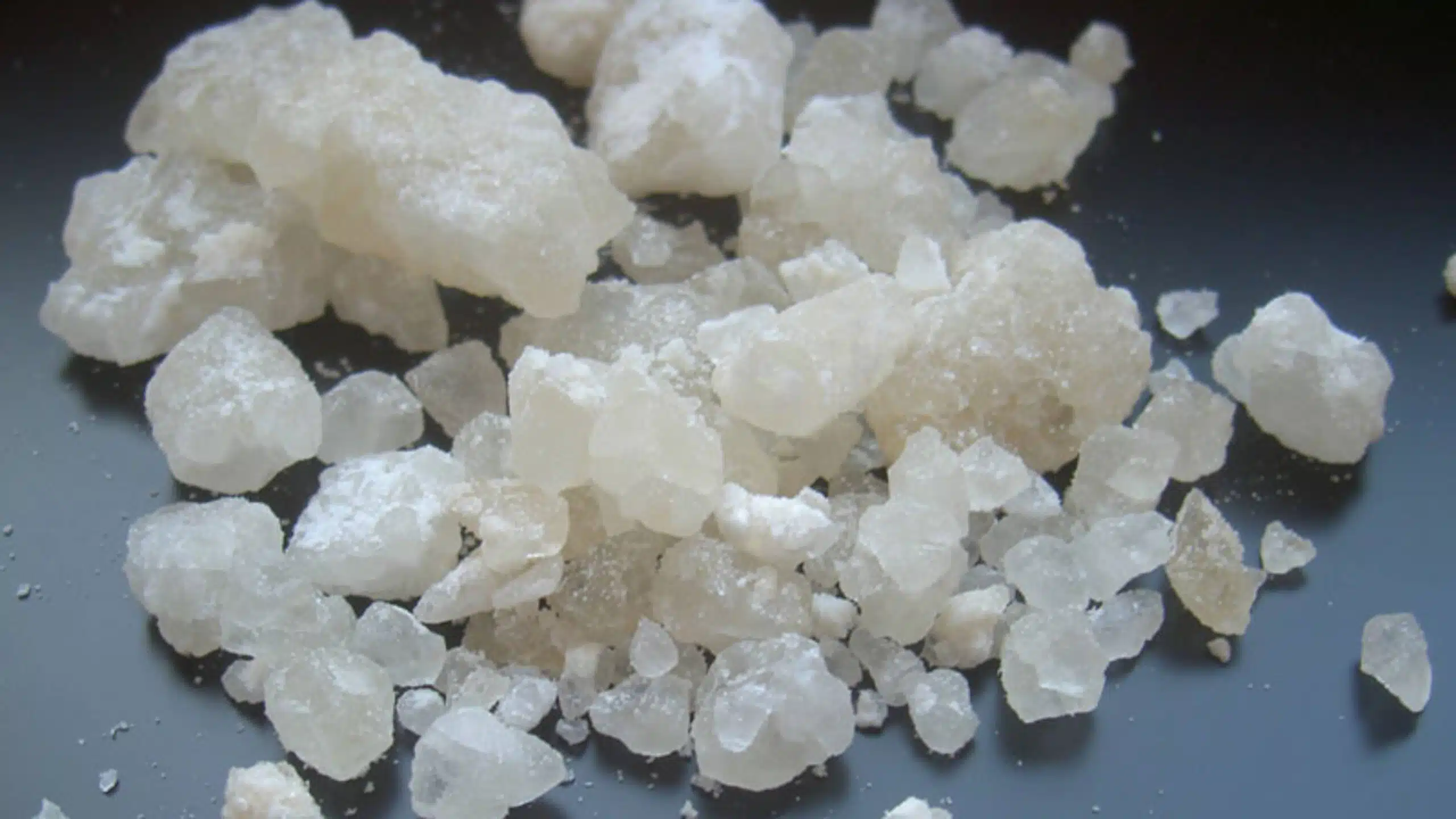
Description
2 MMC Explained: Effects, Structure, Risks, and Functional Stimulant Properties
2 MMC (2-Methylmethcathinone) is a synthetic stimulant from the substituted cathinone family. It is a structural isomer of both 3-MMC and 4-MMC (Mephedrone), but its unique molecular structure creates a noticeably different experience. Many users describe 2-Methylmethcathinone as more “speedy,” stimulating, and functional rather than deeply euphoric or emotionally intense.
2-MMC, also known as 2-Methylmethcathinone, belongs to the growing class of synthetic cathinone stimulants. These substances are chemically related to cathinone, a naturally occurring stimulant compound found in the khat plant. However, scientists altered the molecular structure of cathinone to create synthetic versions with stronger or more specialized effects.
Although 2-Methylmethcathinone shares similarities with compounds like 3-MMC and 4-MMC, users often report a very different type of stimulation. Instead of producing the emotionally warm, empathogenic, or “loved-up” feeling associated with MDMA or Mephedrone, 2-Methylmethcathinone tends to create a more alert, energetic, and functional stimulant experience.
What Is 2-Methylmethcathinone?
2 MMC is a substituted cathinone stimulant chemically related to other compounds in the MMC family. The term “MMC” refers to methylmethcathinone, while the number “2” identifies the position of the methyl group attached to the phenyl ring.
Specifically, 2 MMC places the methyl group at the ortho position on the aromatic ring. Although this structural change may appear minor, it significantly changes how the substance interacts with neurotransmitters in the brain.
As a result, 2 MMC produces effects that many users describe as cleaner, more stimulating, and more functional compared to 3-MMC or 4-MMC.
How 2-Methylmethcathinone Differs From 3-MMC and 4-MMC
Although 2-Methylmethcathinone shares a similar chemical backbone with 3-MMC and 4-MMC, the position of the methyl group dramatically changes its pharmacological profile.
For example, 4-MMC (Mephedrone) strongly increases serotonin activity, which often creates emotional warmth, empathy, intense euphoria, and social bonding. Similarly, 3-MMC may produce a balance between stimulation and emotional enhancement.
In contrast, 2 MMC appears to produce a more dopamine-driven and norepinephrine-focused experience. Consequently, users often report increased alertness, stimulation, focus, and motivation rather than emotional openness or empathogenic effects.
Because of this difference, many people compare 2-Methylmethcathinone more closely to traditional stimulants like amphetamines or strong caffeine rather than MDMA-like substances.
How 2 MMC Affects the Brain
Like other synthetic cathinones, 2 MMC affects neurotransmitter systems in the brain. Primarily, it influences dopamine and norepinephrine activity, which play important roles in energy, concentration, motivation, and reward.
Dopamine increases feelings of stimulation, confidence, drive, and excitement. Therefore, elevated dopamine activity may explain why users often feel productive, energized, and mentally alert after taking 2-Methylmethcathinone.
At the same time, norepinephrine increases physical energy and alertness. Consequently, users may experience increased wakefulness, reduced fatigue, faster thinking, and heightened focus.
However, unlike 4-MMC or MDMA, 2 MMC may produce weaker serotonin activity. As a result, many users report fewer empathogenic or emotionally immersive effects.
The “Functional” or “Speedy” Experience
One of the most commonly reported characteristics of 2-Methylmethcathinone is its functional stimulant profile. Rather than producing dreamy emotional sensations, 2 MMC often creates a more straightforward stimulating effect.
Users frequently describe the experience as:
- Energetic and mentally stimulating
- More focused and alert
- Motivating and productivity-enhancing
- Fast-paced and physically activating
- Socially stimulating without strong emotional intensity
- Less empathogenic than MDMA or 4-MMC
- More similar to amphetamines or strong caffeine
Additionally, some individuals report increased talkativeness, confidence, and sociability. However, the experience typically feels more “functional” and less emotionally overwhelming than serotonergic empathogens.
Common Effects of 2 MMC
Desired Effects
- Increased energy and wakefulness
- Enhanced focus and concentration
- Elevated motivation and productivity
- Improved confidence and sociability
- Physical stimulation
- Mild euphoria
- Mental alertness
- Enhanced communication
Potential Negative Effects
- Anxiety and nervousness
- Rapid heart rate
- High blood pressure
- Jaw tension or teeth grinding
- Insomnia and restlessness
- Overstimulation
- Irritability or agitation
- Dehydration
- Post-use fatigue or low mood
Potential Risks and Safety Concerns
Although some users seek out 2-Methylmethcathinone for its stimulating and functional properties, synthetic cathinones can create significant health risks. Potency may vary widely between batches, and unregulated products may contain impurities or entirely different compounds.
Furthermore, high doses or repeated stimulant use can place serious stress on the cardiovascular and nervous systems. Excessive stimulation may contribute to panic attacks, overheating, paranoia, or dangerous increases in blood pressure and heart rate.
Combining 2 MMC with other stimulants, alcohol, or psychoactive substances may significantly increase health risks. Therefore, understanding the dangers associated with synthetic stimulants remains extremely important.
Signs of Overstimulation
- Extreme anxiety or panic
- Chest pain
- Difficulty breathing
- Severe agitation
- Confusion or paranoia
- Dangerously elevated body temperature
- Hallucinations
- Loss of consciousness
Anyone experiencing severe symptoms after using stimulant substances should seek emergency medical attention immediately.
Addiction and Dependency Potential
Like many stimulant substances, 2-Methylmethcathinone may carry a risk of psychological dependence. Repeated exposure to dopamine-enhancing stimulants can reinforce compulsive patterns of use.
Over time, users may develop tolerance, meaning they require larger amounts to achieve the same stimulating effects. Consequently, increasing dosage levels may increase both physical and psychological risks.
Withdrawal symptoms may include fatigue, depression, irritability, difficulty concentrating, reduced motivation, and sleep disturbances.
Legal Status of 2-Methylmethcathinone
The legal status of 2-Methylmethcathinone varies depending on the country and jurisdiction. Some governments regulate synthetic cathinones broadly, while others specifically ban individual compounds.
Additionally, legislation surrounding research chemicals and designer stimulants changes frequently. Therefore, individuals should always verify local laws and regulations before possessing or researching synthetic substances.
Psychological Effects and Mental Health Impact

Although many users initially experience increased energy, focus, and confidence, excessive stimulant use may negatively affect mental health over time.
For example, repeated overstimulation can contribute to anxiety, irritability, insomnia, paranoia, emotional instability, and stimulant-induced burnout. Furthermore, sleep deprivation may intensify psychological side effects and impair cognitive performance.
Mental health outcomes often depend on dosage, frequency of use, genetics, environment, sleep quality, and individual sensitivity to stimulant substances.
Frequently Asked Questions About 2 MMC
What is 2 MMC?
2 MMC, or 2-Methylmethcathinone, is a synthetic stimulant from the substituted cathinone family and a structural isomer of 3-MMC and 4-MMC.
How does 2 MMC feel compared to 4-MMC?
Many users describe 2-Methylmethcathinone as more functional, speedy, and stimulating, while 4-MMC often produces stronger emotional warmth, empathy, and euphoric effects.
Does 2-Methylmethcathinone create empathogenic effects?
2 MMC may produce mild sociability and confidence enhancement, but most users report fewer empathogenic or emotionally immersive effects compared to MDMA or 4-MMC.
Is 2 MMC dangerous?
Yes. Like many synthetic stimulants, 2-MMC can create cardiovascular, neurological, and psychological risks, especially at high doses or when combined with other substances.
Can 2-Methylmethcathinone become addictive?
Repeated stimulant use may lead to tolerance, psychological dependence, and compulsive redosing behaviors.
Final Thoughts
2-Methylmethcathinone is a synthetic cathinone stimulant that differs significantly from compounds like 3-MMC and 4-MMC because of its unique molecular structure. Although the structural change may appear small, it produces a noticeably different experience.
Rather than creating the emotionally warm or “loved-up” feeling associated with MDMA-like substances, 2-Methylmethcathinone typically produces a more functional, energetic, and stimulant-focused effect profile. Consequently, many users compare the experience to amphetamines or strong caffeine rather than empathogenic party drugs.
However, despite its stimulating and productivity-oriented reputation, 2-Methylmethcathinone can still create serious physical and psychological risks. Therefore, understanding its effects, pharmacology, and potential dangers remains essential for public awareness and informed education.

Reviews
There are no reviews yet.