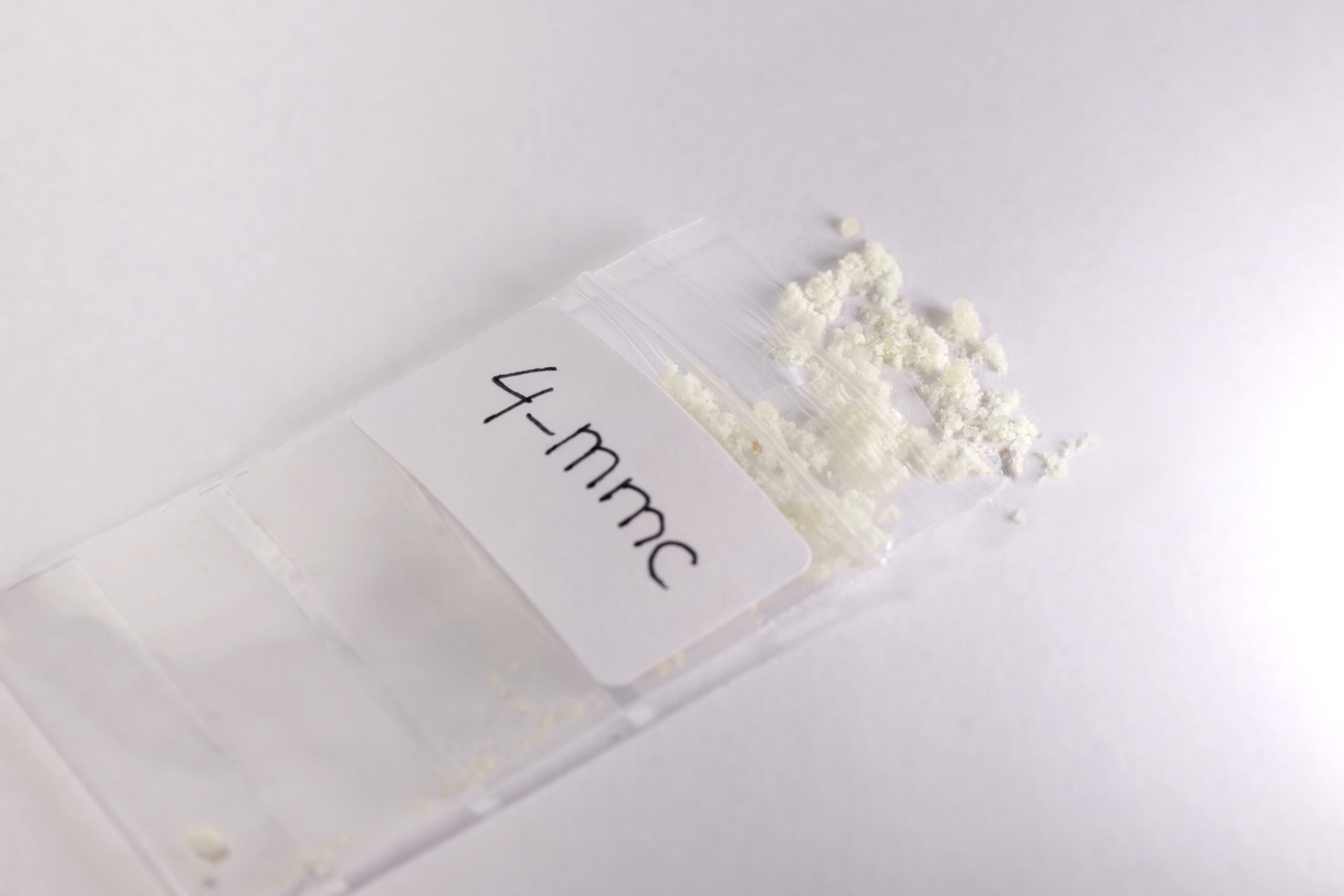
Description
Synthetic Cathinones Explained: Effects, Risks, Emotional Connection, and Stimulant Properties
Synthetic cathinones are powerful stimulant substances chemically related to cathinone, a naturally occurring compound found in the khat plant. These substances produce intense energy, heightened pleasure, increased sociability, and strong emotional sensations. Additionally, many users describe feelings of empathy, emotional openness, and deep human connection after using certain synthetic cathinones.
Synthetic cathinones are laboratory-produced stimulant substances that mimic the effects of naturally occurring cathinone, a stimulant compound found in the leaves of the khat plant. Over the years, these substances have gained widespread attention because they can increase energy, boost mood, and intensify emotional experiences.
Furthermore, many users report heightened confidence, emotional warmth, empathy, enhanced communication, and stronger social connection after taking certain synthetic cathinones. As a result, some substances in this category have become closely linked to nightlife culture, party scenes, and recreational drug experimentation.
What Are Synthetic Cathinones?
Synthetic cathinones are man-made psychoactive substances chemically related to cathinone. Naturally, cathinone exists in the khat plant, which people in parts of East Africa and the Arabian Peninsula have traditionally chewed for its stimulating effects.
Scientists created synthetic cathinones to replicate or enhance the stimulant properties of natural cathinone. These compounds directly affect neurotransmitters in the brain, including dopamine, serotonin, and norepinephrine. Consequently, users may experience changes in pleasure, mood, alertness, emotional sensitivity, and energy levels.
Because of their stimulant and empathogenic properties, many people compare synthetic cathinones to amphetamines or MDMA-like substances. However, each compound produces different effects, potency levels, and health risks.
How Synthetic Cathinones Affect the Brain

Synthetic cathinones primarily alter communication between nerve cells in the brain. Specifically, these substances increase neurotransmitter release or block neurotransmitter reuptake, especially for dopamine and serotonin.
Dopamine strongly influences pleasure, reward, excitement, and motivation. Therefore, elevated dopamine activity can create intense happiness, confidence, stimulation, and euphoria.
At the same time, serotonin affects mood, empathy, emotional sensitivity, and social bonding. Increased serotonin activity often explains why some users experience feelings of love, compassion, emotional openness, and interpersonal connection.
In addition, norepinephrine increases alertness and physical energy. As a result, users may feel more awake, focused, and physically stimulated.
Common Effects of Synthetic Cathinones
The effects of synthetic cathinones vary depending on the substance, dosage, purity, route of administration, and the individual user. Nevertheless, several effects appear consistently among reported experiences.
Positive or Desired Effects
- Increased energy and wakefulness
- Intense pleasure and euphoria
- Enhanced confidence and sociability
- Heightened emotional connection
- Strong feelings of empathy and affection
- Greater motivation and excitement
- Enhanced sensory perception
- Increased talkativeness and social engagement
Potential Negative Effects
- Anxiety and panic attacks
- Rapid heart rate and high blood pressure
- Insomnia and sleep disturbances
- Agitation or aggressive behavior
- Paranoia and confusion
- Overheating and dehydration
- Nausea and headaches
- Depression after use
Why Some Users Experience Emotional Connection and Empathy
One of the most discussed effects of certain synthetic cathinones involves emotional warmth and human connection. In many cases, users describe feelings of closeness, empathy, affection, and emotional understanding toward others.
These emotional experiences occur because synthetic cathinones can significantly increase serotonin activity in the brain. Consequently, users may feel less social anxiety and greater emotional openness during conversations and social interactions.
Additionally, some people report stronger emotional responses to music, friendships, romantic relationships, and social environments. Because of these effects, empathogenic stimulant substances often appear in nightlife settings, parties, and music festivals.
Health Risks and Safety Concerns

Despite their euphoric effects, synthetic cathinones can become extremely dangerous. One major concern involves product inconsistency because substances sold under the same name may contain completely different chemicals or potency levels.
Moreover, some synthetic cathinones can trigger severe medical emergencies, including seizures, psychosis, heart complications, overheating, and dangerous behavioral reactions.
Combining stimulant substances with alcohol or other drugs can dramatically increase health risks. In some situations, users may develop serotonin syndrome, which is a potentially life-threatening condition caused by excessive serotonin activity.
Signs of Overstimulation or Toxicity
- Extreme agitation or panic
- Chest pain
- Difficulty breathing
- Severe confusion
- Hallucinations
- Dangerously high body temperature
- Loss of consciousness
Anyone experiencing severe symptoms after taking a stimulant substance should seek emergency medical assistance immediately.
Are Synthetic Cathinones Addictive?
Some synthetic cathinone have a strong potential for misuse and addiction. Repeated use can alter dopamine signaling in the brain, which may increase cravings and compulsive behavior over time.
Furthermore, frequent stimulant use can create tolerance. Consequently, users may require larger doses to achieve the same effects. Unfortunately, increasing dosage levels also increases the risk of severe side effects and psychological dependence.
Withdrawal symptoms may include fatigue, anxiety, depression, irritability, sleep disturbances, and reduced ability to experience pleasure naturally.
The Role of the Khat Plant in Cathinone History
The khat plant has played an important cultural role in several regions for centuries because of its mild stimulant properties. Fresh khat leaves naturally contain cathinone, which can increase energy, alertness, and sociability.
Later, scientists developed synthetic cathinones to imitate or intensify these stimulant effects. However, synthetic versions often produce much stronger and less predictable reactions than naturally occurring cathinone.
Although the natural khat plant remains culturally significant in some communities, synthetic cathinones are now more commonly associated with laboratory-produced recreational stimulant substances.
Legal Status of Synthetic Cathinones
Many countries regulate or prohibit synthetic cathinones because of their health risks and misuse potential. However, laws differ depending on the specific compound and region.
Additionally, governments frequently update legislation as manufacturers introduce new synthetic substances into the market. Some compounds initially appear under misleading labels before authorities officially regulate them.
Therefore, individuals should always research current laws and public health guidance in their local area.
Psychological Impact and Mental Health Concerns
Although some users initially experience pleasure, confidence, empathy, and emotional connection, synthetic cathinone can also negatively affect mental health. High doses or repeated use may contribute to anxiety, paranoia, emotional instability, and depression.
Furthermore, sleep deprivation and overstimulation can intensify psychological symptoms. In severe situations, users may experience hallucinations, panic episodes, or stimulant-induced psychosis.
Mental health outcomes depend on multiple factors, including genetics, dosage, frequency of use, stress levels, environment, and substance purity.
Frequently Asked Questions About Synthetic Cathinones
What is a synthetic cathinone?
A synthetic cathinone is a laboratory-made stimulant chemically related to cathinone, a naturally occurring compound found in the khat plant.
Why do synthetic cathinones create feelings of empathy?
Certain synthetic cathinone increases serotonin activity in the brain, which can temporarily enhance emotional openness, empathy, and social bonding.
Are synthetic cathinones dangerous?
Yes. These substances can create serious physical and psychological complications, including addiction, paranoia, overheating, cardiovascular problems, and psychosis.
Do synthetic cathinone increase energy?
Most synthetic cathinones act as stimulant substances that increase alertness, wakefulness, energy, and motivation.
Can synthetic cathinone become addictive?
Yes. Some synthetic cathinone carry a high addiction potential, especially when users consume them frequently or in high doses.
Final Thoughts
Synthetic cathinone is a powerful stimulant substance derived from the chemical structure of cathinone, a natural compound found in the khat plant. These psychoactive compounds can produce intense pleasure, emotional warmth, empathy, energy, and social connection.
However, these substances can also create serious health risks, including addiction, cardiovascular complications, anxiety, overheating, and dangerous psychological reactions. Therefore, understanding how synthetic cathinone affects the brain and body remains essential for informed awareness and public safety.
Ultimately, education and responsible health awareness can help individuals better understand the risks and effects associated with synthetic stimulant substances.


Reviews
There are no reviews yet.