Description
Powder Meth Explained: Purity, Street Names, Appearance, Risks, and Effects
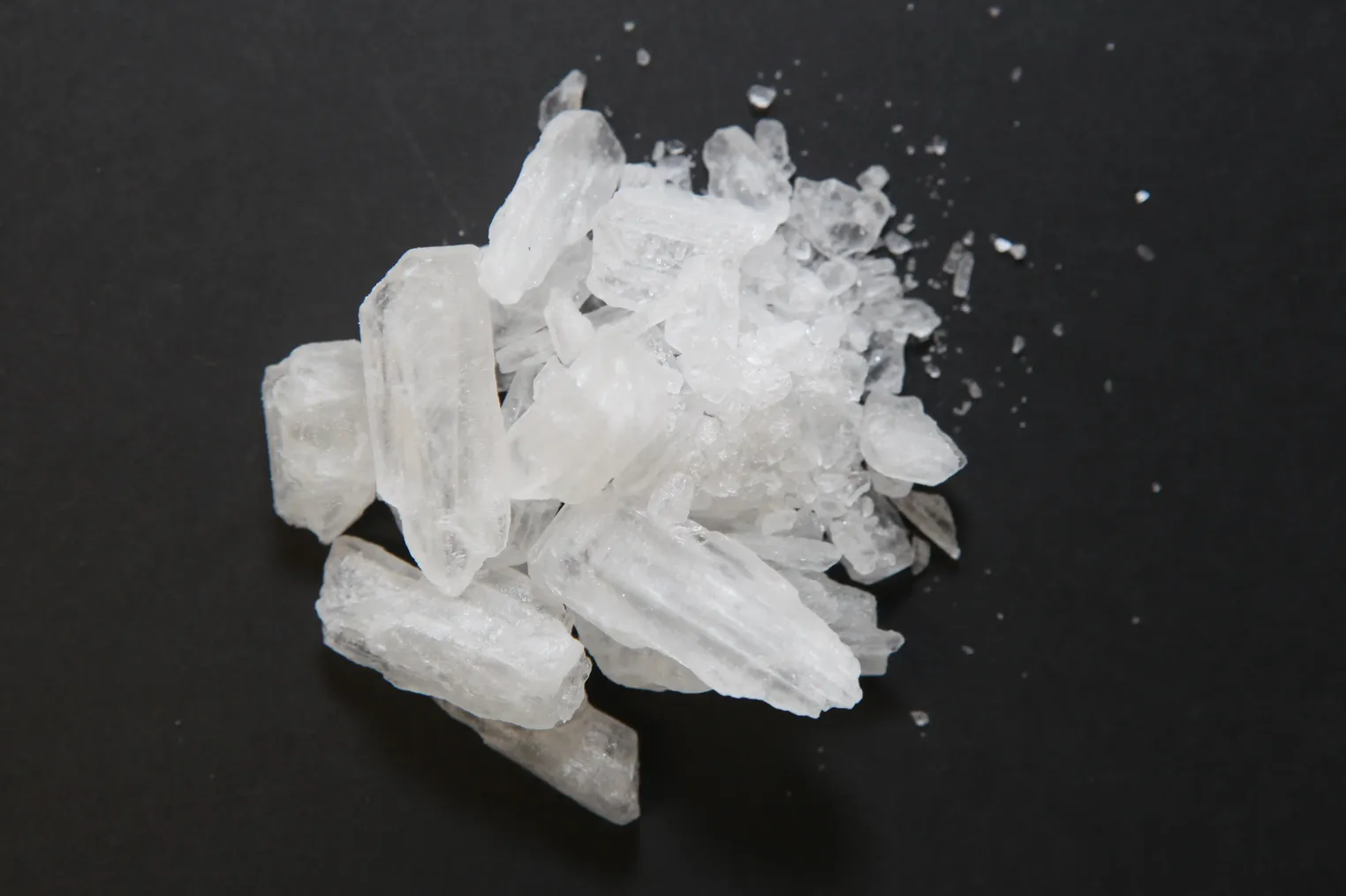
Powder meth is often considered the least pure and most heavily “cut” form of methamphetamine found in illicit drug markets. Commonly sold under street names like Speed, Crank, Chalk, Go-Fast, and Poor Man’s Coke, this stimulant usually appears as a fine white or off-white powder. However, its color may also appear pink, yellow, or brown depending on the chemicals used during illegal production.
Powder methamphetamine is a powerful synthetic stimulant that affects the central nervous system. Unlike highly purified crystal methamphetamine, powder meth often contains numerous fillers, adulterants, and chemical residues. Consequently, purity levels can vary dramatically from one batch to another.
Because illicit manufacturers frequently dilute the substance with inexpensive additives, powder methamphetamine is commonly viewed as the least refined version of the drug. Additionally, the unpredictable composition significantly increases both physical and psychological health risks.
Common Street Names for Powder Methamphetamine
Powder methamphetamine appears under many street names depending on the region, culture, and specific illicit market. Some of the most common names include:
- Speed
- Crank
- Chalk
- Go-Fast
- Poor Man’s Coke
Although these names may differ, they generally refer to stimulant substances sold in powdered form with varying purity and potency levels.
Appearance and Physical Characteristics
Powder methamphetamine usually appears as a fine white or off-white crystalline powder. However, illegal production methods often leave behind impurities that can alter its appearance.
Consequently, some batches may appear:
- Pink
- Yellow
- Brown
- Grayish white
The final color often depends on the chemicals, solvents, and manufacturing methods used during illicit synthesis. In many cases, impurities and cutting agents significantly affect both color and texture.
Why Powder Methamphetamine Is Often “Cut”
Drug suppliers frequently dilute powder methamphetamine to increase profits. As a result, the final product may contain far less methamphetamine than expected.
Common fillers and adulterants may include:
- Caffeine
- Baking soda
- Sugar powders
- Laundry detergent residues
- Other stimulant compounds
- Unknown synthetic chemicals
Because users rarely know the exact composition, potency and toxicity can become extremely unpredictable. Furthermore, contaminated products may increase the risk of poisoning, overdose, and long-term organ damage.
How Powder Meth Is Commonly Used
Powder methamphetamine is commonly consumed in several ways depending on the user and product form.
Reported methods of use may include:
- Snorting the powder
- Dissolving it in liquid
- Injecting dissolved mixtures
- Oral consumption
Different routes of administration may alter the onset, intensity, and duration of effects. However, all forms of methamphetamine use carry significant risks.
Effects of Powder Meth
Methamphetamine strongly affects dopamine and norepinephrine systems in the brain. Consequently, users often experience intense stimulation, increased energy, and heightened alertness.
Common Short-Term Effects
- Increased energy and wakefulness
- Heightened focus and concentration
- Intense stimulation
- Reduced appetite
- Elevated confidence
- Rapid heart rate
- Increased talkativeness
- Restlessness and hyperactivity
Potential Negative Effects
- Anxiety and panic attacks
- Paranoia
- Aggression or irritability
- Insomnia
- Elevated blood pressure
- Overheating
- Hallucinations
- Compulsive behavior
Psychological and Neurological Risks
Repeated methamphetamine exposure can significantly affect mental health and cognitive function. Over time, excessive stimulant use may damage dopamine systems within the brain.
As a result, long-term users may experience:
- Severe anxiety
- Depression
- Memory problems
- Paranoia
- Mood instability
- Sleep disruption
- Stimulant-induced psychosis
Furthermore, chronic sleep deprivation and overstimulation may intensify psychological symptoms and impair judgment.
Addiction and Dependency Potential
Methamphetamine is highly addictive because it strongly stimulates the brain’s reward pathways. Consequently, repeated use can quickly create psychological dependence and compulsive drug-seeking behavior.
Users often develop tolerance over time, meaning they require larger amounts to achieve the same effects. Unfortunately, increasing dosage levels may dramatically increase overdose and cardiovascular risks.
Withdrawal symptoms may include:
- Extreme fatigue
- Depression
- Anxiety
- Irritability
- Sleep disturbances
- Low motivation
- Strong cravings
Price Context and Illicit Market Variability
Illicit market prices for powder methamphetamine vary depending on purity, location, availability, and regional trafficking patterns. Internationally, prices may reportedly range from approximately $20 to $60 per gram in some illegal drug markets.
However, pricing information does not indicate safety, quality, or purity. In fact, lower-cost products may contain significantly higher levels of contaminants or dangerous cutting agents.
Public Health and Safety Concerns
Public health experts continue to monitor methamphetamine-related harms because stimulant misuse can contribute to addiction, overdose, cardiovascular emergencies, and mental health crises.
Additionally, unregulated production environments may expose users to toxic solvents, chemical byproducts, and dangerous contaminants. Therefore, education and prevention efforts remain essential for reducing stimulant-related harm.
Frequently Asked Questions About Powder Meth
What is powder meth?
Powder methamphetamine is a less refined form of methamphetamine that often appears as a white or off-white powder mixed with fillers or contaminants.
Why does powder meth vary in color?
The color may change because of impurities, chemical residues, solvents, or additives used during illicit manufacturing.
Why is powder meth considered less pure?
Illegal suppliers frequently dilute the substance with fillers and adulterants to increase profits, which lowers purity and increases unpredictability.
Can powder meth become addictive?
Yes. Methamphetamine has a very high addiction potential because it strongly affects dopamine pathways involved in reward and motivation.
Is powder Meth dangerous?
Yes. Powder methamphetamine can create severe cardiovascular, neurological, and psychological risks, especially because illicit products may contain toxic contaminants.
Final Thoughts
Powder methamphetamine is often considered the least refined and most heavily adulterated form of methamphetamine found in illicit markets. Commonly sold under names like Speed, Crank, Chalk, and Go-Fast, it usually appears as a fine powder with highly unpredictable purity levels.
Although users may seek stimulant effects such as energy, focus, and alertness, powder methamphetamine can create extremely serious health risks. Contaminants, toxic fillers, addiction potential, and overdose dangers significantly increase the harm associated with this substance.
Consequently, public awareness, prevention education, and access to addiction treatment remain essential components of addressing methamphetamine-related harm worldwide.


Reviews
There are no reviews yet.