Description
Heroine Hydrochloride Explained: Purity, Water Solubility, Effects, and Risks
Heroine hydrochloride is a highly refined salt form of heroin that is known for its strong water solubility and high purity levels. Because of its chemical structure, it dissolves easily in liquid and has historically appeared in illicit drug markets in powdered form.
Heroine hydrochloride is considered one of the more refined forms of heroin, often reaching purity levels between 80% and 90% before dilution or adulteration. Chemically, it exists as a salt form that dissolves easily in water because of its hydrochloride structure.
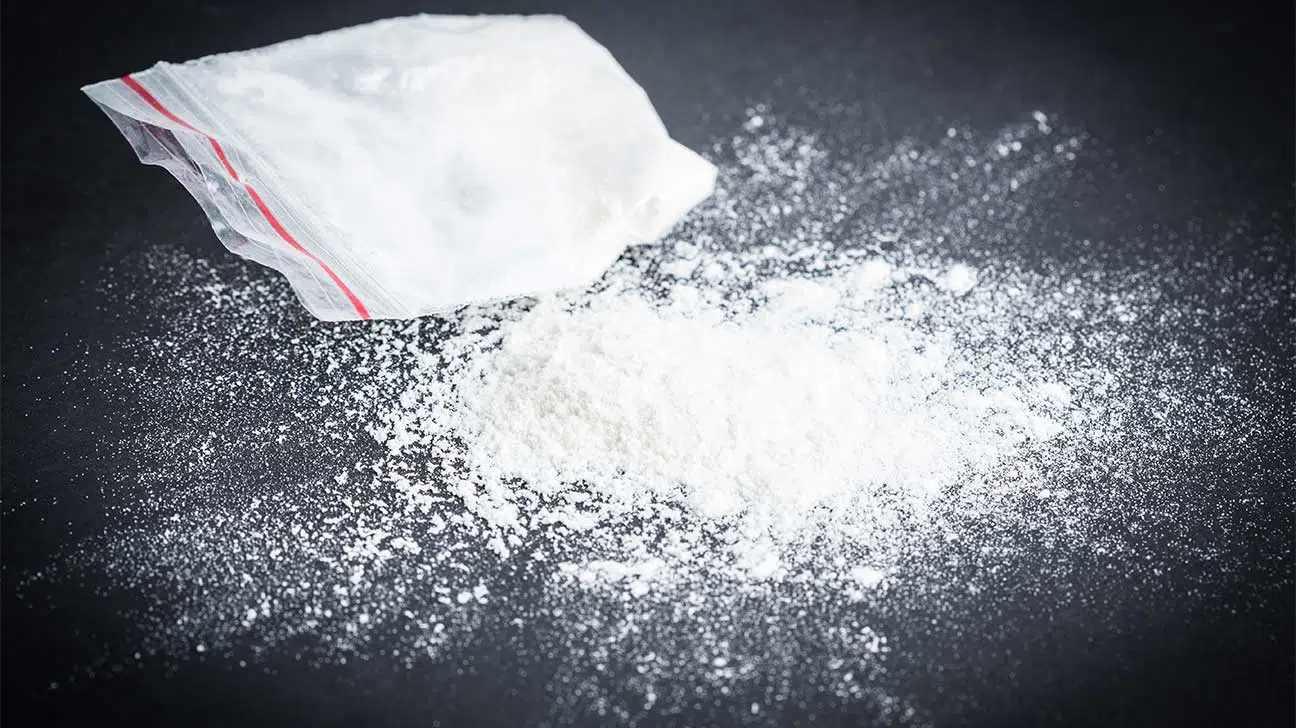
Unlike darker or less refined heroin products, heroin hydrochloride typically appears as a fine powder with little to no odor. However, users often describe the substance as having a very bitter taste.
What Is Heroine Hydrochloride?
Heroin hydrochloride is a refined opioid derived from morphine, which itself originates from the opium poppy plant. During chemical processing, manufacturers convert heroin into a hydrochloride salt form, increasing its ability to dissolve in water.
Because of this water solubility, heroine hydrochloride behaves differently from less refined forms of heroin. Additionally, its powdered texture and higher purity levels often distinguish it from black tar heroine or impure street mixtures.
Why Water Solubility Matters
The hydrochloride salt structure allows heroin hydrochloride to dissolve rapidly in liquid. Consequently, this form spreads quickly throughout the bloodstream once consumed.
Higher water solubility also affects how quickly the drug reaches the brain. As a result, users may experience a rapid onset of euphoric and sedative effects.
However, faster absorption also increases overdose risk, especially when purity levels remain unknown or when the substance contains dangerous additives such as fentanyl.
Physical Characteristics of Heroine Hydrochloride
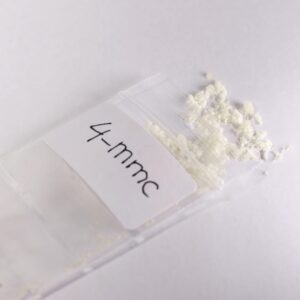
Heroin hydrochloride generally appears as a white or off-white powder, although impurities and cutting agents may alter its appearance. In many cases, highly refined heroin products have little or no noticeable odor.
Users frequently describe the taste as intensely bitter. Nevertheless, appearance and taste alone cannot reliably indicate purity or safety because illicit substances often contain unknown chemicals.
How Heroine Affects the Brain and Body
Heroin acts on opioid receptors within the brain and central nervous system. These receptors regulate pain, reward, breathing, and emotional responses.
Once heroin enters the body, it rapidly converts back into morphine. Consequently, users may experience intense relaxation, euphoria, pain relief, sedation, and emotional detachment.
However, opioids also slow breathing and suppress central nervous system activity. Therefore, high doses may cause respiratory depression, unconsciousness, coma, or fatal overdose.
Common Effects of Heroine
Short-Term Effects
- Intense euphoria
- Relaxation and sedation
- Pain relief
- Heavy limbs and drowsiness
- Slowed breathing
- Nausea and vomiting
- Constricted pupils
- Mental clouding
Long-Term Risks
- Severe addiction and dependency
- Respiratory complications
- Overdose risk
- Collapsed veins and infections
- Heart complications
- Liver and kidney damage
- Depression and cognitive decline
- Increased risk of infectious diseases
Overdose Risks and Public Health Concerns

One of the greatest dangers associated with heroin hydrochloride involves overdose. Because purity levels may vary dramatically, users often cannot accurately judge potency.
Furthermore, illicit heroin supplies may contain fentanyl or other synthetic opioids that significantly increase overdose risk. Even extremely small amounts of fentanyl can become fatal.
Signs of opioid overdose may include:
- Slow or stopped breathing
- Blue lips or fingertips
- Loss of consciousness
- Pinpoint pupils
- Severe drowsiness
- Unresponsiveness
Anyone experiencing overdose symptoms requires immediate emergency medical attention.
Addiction and Dependency
Heroin is highly addictive because it strongly activates the brain’s reward system. Repeated exposure may quickly create physical and psychological dependence.
Over time, users often develop tolerance, meaning they require larger amounts to achieve the same effects. Consequently, escalating use may significantly increase overdose risk.
Withdrawal symptoms may include severe cravings, muscle pain, anxiety, nausea, insomnia, sweating, chills, and emotional distress.
Legal Status of Heroine
Most countries classify heroin as an illegal controlled substance because of its high addiction potential and severe public health risks. Laws surrounding possession, trafficking, and manufacturing carry serious criminal penalties in many jurisdictions.
Additionally, public health organizations worldwide continue to monitor opioid-related overdoses and addiction trends because opioids remain a major global health crisis.
Final Thoughts
Heroin hydrochloride is a highly refined and water-soluble salt form of heroin that may reach very high purity levels. Although its chemical structure allows rapid absorption and strong opioid effects, it also carries extremely serious health risks.
Heroin use can lead to severe addiction, overdose, respiratory failure, infectious disease transmission, and death. Consequently, education, prevention, treatment access, and public awareness remain essential in addressing opioid-related harm.

Reviews
There are no reviews yet.